Make daily charging easier
A dedicated home setup can be planned around where the vehicle parks and how it is used.
Ask about this
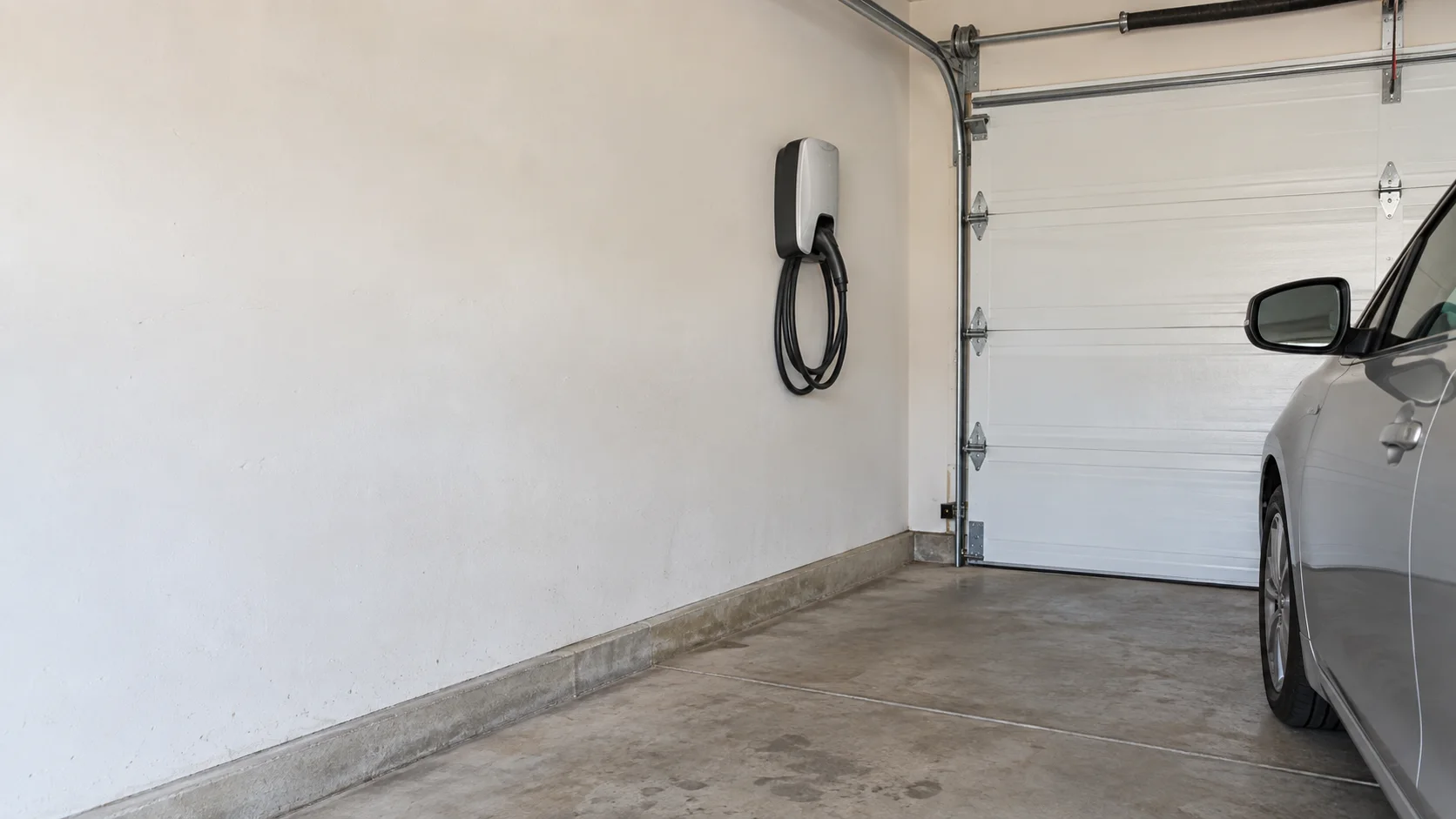
EV charger installation + repair
Match the charger, parking location, and available electrical capacity before installation begins.
Licensed · Bonded · Insured
Illustrative image
Charge where you park
A useful charging setup starts with your daily driving and how long the vehicle stays parked. The goal is to replenish the energy you use with equipment that suits both the vehicle and the property.
MJ Electric installs and services EV charging equipment for homes and businesses across the Twin Cities. Before work begins, we evaluate the electrical capacity, circuit route, and proposed location so the scope is clear.
Charging decisions
Whether you are planning your first charger or troubleshooting an existing one, the next step starts with your situation.
A dedicated home setup can be planned around where the vehicle parks and how it is used.
Ask about thisThe existing electrical demand should be evaluated before assuming a service upgrade is required.
Ask about thisThe route between the electrical source and charging location affects the installation plan.
Ask about thisThe charging equipment, connection, circuit, or another condition may need professional evaluation.
Ask about thisFrom vehicle to panel
Review the vehicle, charger, parking location, and expected charging routine.
Consider the existing panel, electrical demand, and proposed charging circuit.
Plan practical equipment placement and cable reach for the parking space.
Complete the approved work and verify the charging setup is operating as intended.
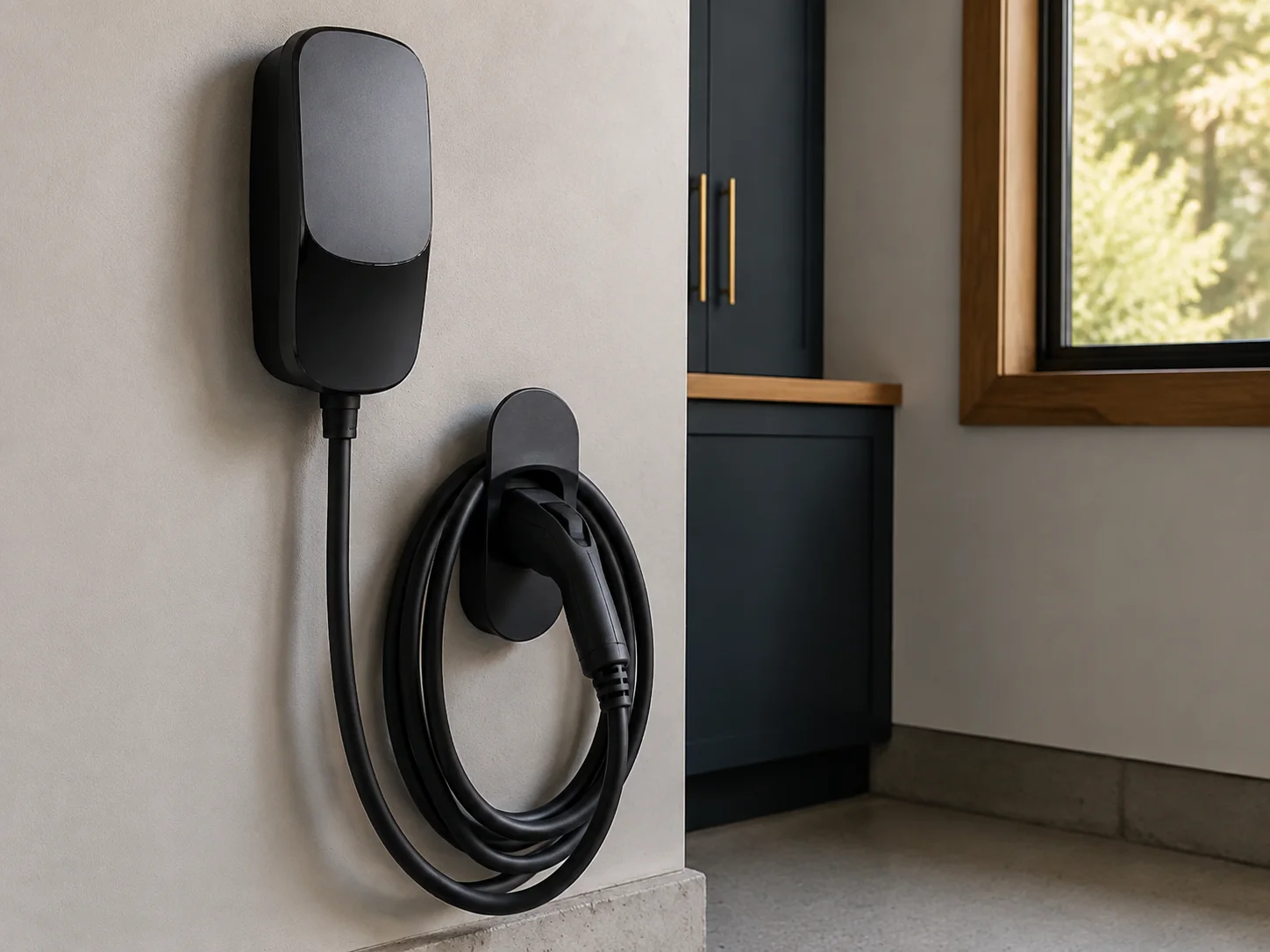
Understand your options
Faster is not the only consideration. Daily mileage, time parked, and the vehicle’s charging capability help determine what is useful. Actual charging speed also depends on the equipment and the power available to it.
Whichever option fits, placement matters: the connector should reach the vehicle without a strained cable or an awkward path through the garage. A capacity evaluation determines the electrical work needed; a service upgrade is not automatic.
Ready to charge where you park?
Recommended across the Twin Cities
Real feedback from homeowners and property owners who trusted MJ Electric with the details.
 Reviews
EV charging questions
A little context can make the equipment and installation decisions easier. Here is where to start.
Level 1 uses 120-volt charging equipment and is slower, which may suit lighter daily driving and longer periods parked. Residential Level 2 uses 240 volts and typically charges faster. Actual speed depends on the vehicle, equipment, and available power, so there is no single charging time that applies to every setup.
No. Available panel capacity and the property’s existing electrical demand need to be evaluated. Some installations fit the existing service; others may require additional electrical work.
Do not assume an existing receptacle or circuit is appropriate for continuous vehicle charging. The equipment instructions, receptacle, wiring, circuit, and electrical capacity should be professionally evaluated.
A practical location accounts for the normal parking position, connector reach, equipment environment, electrical route, and the way the garage or parking area is used.
You can share a model you are considering, but discussing the project before purchasing can help avoid a mismatch. The vehicle connection, equipment requirements, electrical capacity, and location all matter. If you already own a charger, include its model and installation instructions with your project information.
That depends on the charging equipment, its installation instructions, and the electrical work required. A plug-in unit needs a suitable receptacle and circuit; a hardwired unit is connected directly to the circuit. Neither option should be chosen solely because an outlet is already nearby. MJ Electric can evaluate the proposed setup.
Outdoor charging can be an option with equipment rated for the environment and an appropriate installation. The location should account for exposure, vehicle access, cable storage, and everyday movement through the space. Share whether you park in a garage, driveway, or another outdoor area when requesting service.
The circuit route and distance, access through finished surfaces, equipment requirements, indoor or outdoor location, electrical capacity, and applicable permit or inspection requirements can all affect the scope. An evaluation helps establish the work needed before a project-specific estimate is prepared.
MJ Electric provides EV charger repair and maintenance support. An evaluation can help distinguish a supply or circuit problem from a charging-equipment issue that may require manufacturer support. Share the model, symptoms, and any displayed error message; do not open the equipment yourself.